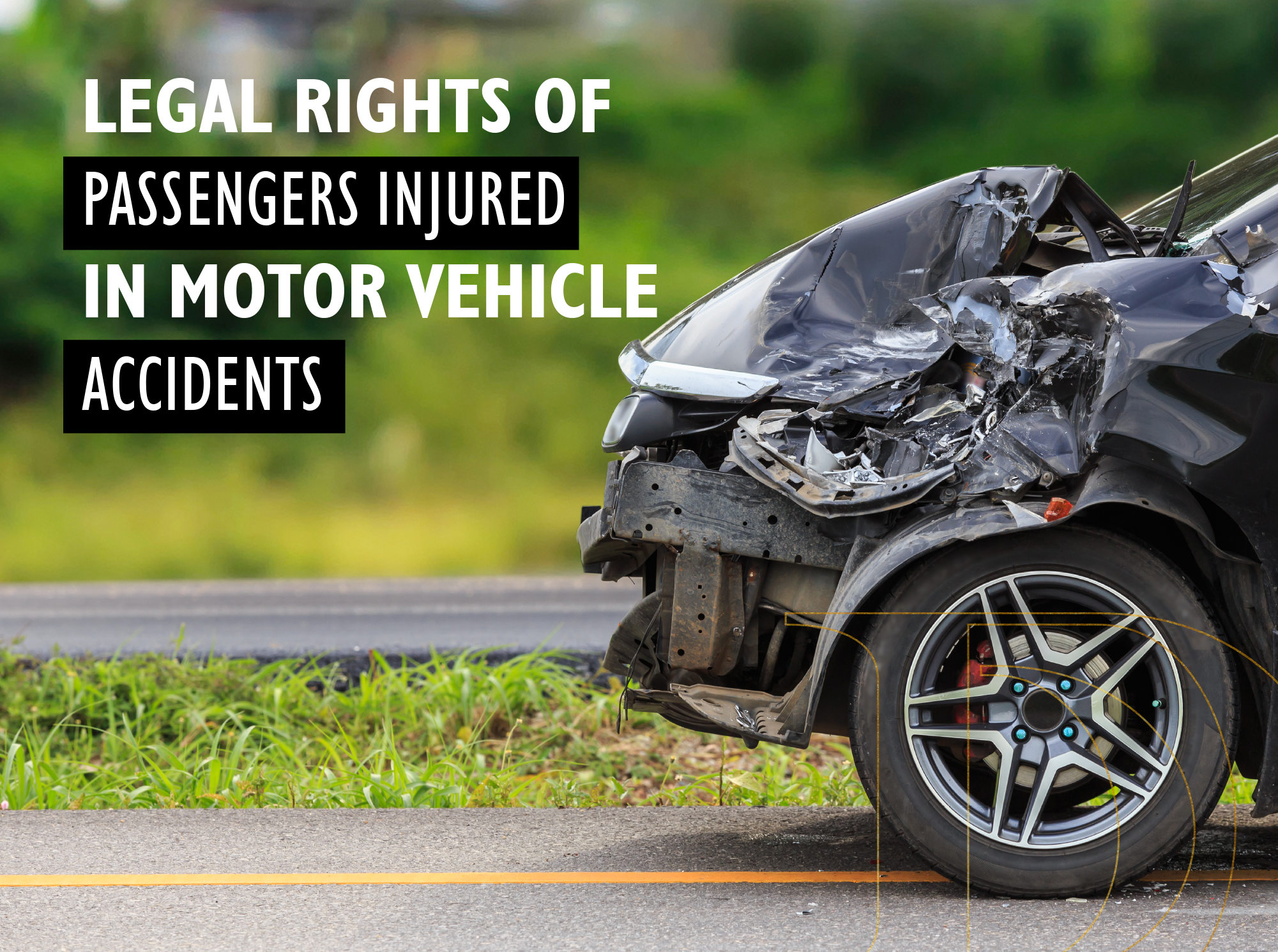
Understanding the Legal Rights of Passengers Injured in a Motor Vehicle Accident in Illinois and Florida
If you’ve been injured as a passenger in a car accident or auto accident in Illinois or Florida, it’s essential to understand your rights to seek compensation. While passengers are rarely at fault, the legal process and available compensation can vary depending on state laws.
Injuries resulting from motor vehicle accidents can be classified into three broad categories of physical injuries, emphasizing the severity and the importance of seeking medical attention after an accident.
This article covers key legal concepts, common issues, compensation options, and the steps to take after an accident in both states.
Motor Vehicle Accidents and Injuries
Motor vehicle accidents are a leading cause of death, injury, and distress worldwide. The incidence of motor vehicle accidents varies by age group, with statistical data showing a significant increase in mortality rates among 15- to 24-year-olds. According to the National Highway Traffic Safety Administration (NHTSA), motor vehicle crashes result in over 3 million injuries and 30,000 fatalities annually in the United States alone. The severity of injuries sustained in motor vehicle accidents can be influenced by factors such as speed, angle of impact, and whether or not occupants were wearing seatbelts.
Motor vehicle accidents can cause a range of injuries, from minor to severe injuries. The most common injuries resulting from motor vehicle collisions include whiplash, herniated discs, broken bones, and soft tissue sprains. In some cases, motor vehicle accidents can also cause death from multiple blunt force trauma, mechanical or positional asphyxia, or other injuries. Data from the Centers for Disease Control highlights the serious effects of vehicle-related injuries on public health, including hospitalizations and long-term consequences of chronic pain.
The risk of fatal injury or death from motor vehicle accidents can be reduced by taking precautions such as wearing seatbelts, avoiding distractions while driving, and following traffic laws. Additionally, advances in vehicle safety technology, such as airbags and anti-lock braking systems, have also contributed to a reduction in motor vehicle-related injuries and fatalities. Various injury patterns resulting from different types of vehicle impacts, such as the direction of the impact and the seating position, can influence the severity and types of injuries sustained.
Types of Motor Vehicle Collisions
Motor vehicle collisions can be classified into several types, including:
-
Rear-end collisions: These occur when one vehicle collides with the rear of another vehicle.
-
Side-impact collisions: These occur when one vehicle collides with the side of another vehicle.
-
Head-on collisions: These occur when two vehicles collide front-to-front.
-
Rollover collisions: These occur when a vehicle rolls over onto its side or roof.
-
Single-vehicle collisions: These occur when a vehicle collides with a stationary obstruction, such as a tree or utility pole.
Motor vehicle collisions can also be classified based on the severity of the impact, with categories including:
-
Minor collisions: These result in minimal damage and no injuries.
-
Moderate collisions: These result in significant damage and possible injuries.
-
Severe collisions: These result in extensive damage and serious injuries or fatalities.
There are various types of incidents and injuries resulting from motor vehicle accidents, ranging from minor to fatal, which are crucial to assess through national databases and studies.
Understanding the types of motor vehicle collisions and their causes is important for developing effective prevention strategies and improving road safety.
Passenger Rights in Illinois and Florida
Passengers in both states have the right to seek compensation if injured due to someone else’s negligence—whether that’s the driver of the car they were in or another involved party. Understanding and adhering to seat belt laws can significantly impact the types and severity of injuries following an accident, thereby enhancing vehicle safety and reducing the risk of injury.
It is crucial to contact the insurance company after an accident, as they play a significant role in the compensation process for injured seat passengers.
Key passenger rights include:
-
The right to file a personal injury claim against any negligent driver.
-
Coverage under the driver’s auto insurance policy, including Personal Injury Protection (PIP) in Florida.
-
The option to file against multiple parties if more than one driver is liable.
-
Consideration of comparative negligence (especially important in Florida, a modified comparative fault state).
Important Links:
-
Illinois Department of Insurance – Auto Insurance Overview
-
Florida Office of Insurance Regulation – PIP Coverage
Understanding Liability and Comparative Negligence
Illinois follows a modified comparative negligence rule (51% bar). If a passenger is found more than 50% at fault (which is rare), they cannot recover damages.
Determining the exact cause of injuries or death in motor vehicle accidents is crucial for establishing liability. Thorough documentation and a complete autopsy can help accurately establish the exact cause, considering factors such as blunt force trauma and asphyxial conditions.
Twelve states follow the 50% bar rule, which prevents an injured party from recovering damages if they are found to be 50% or more at fault in a motor vehicle accident case.
Florida also follows a modified comparative negligence system. If you’re found partially responsible (e.g., not wearing a seatbelt), your compensation may be reduced by your percentage of fault.
Proving Negligence After a Motor Vehicle Accident
Proving negligence after a motor vehicle accident is a crucial step in determining liability and seeking compensation. To establish negligence, the plaintiff must demonstrate that the defendant breached their duty of care, resulting in harm or injury to the plaintiff. In the context of motor vehicle accidents, negligence can take many forms, including:
-
Failure to obey traffic laws and regulations
-
Distracted driving, such as texting or talking on a cell phone while driving
-
Driving under the influence of alcohol or drugs
-
Speeding or reckless driving
-
Failure to maintain a safe following distance
-
Failure to yield to other drivers or pedestrians
To prove negligence, the plaintiff must gather evidence, including:
-
Police reports and accident scene investigations
-
Witness statements and testimony
-
Photographic and video evidence of the accident scene and damage
-
Medical records and expert testimony regarding the plaintiff’s injuries
-
Evidence of the defendant’s driving history and any prior accidents or citations
By presenting this evidence, the plaintiff can demonstrate that the defendant’s negligence caused the accident and resulting injuries, and seek compensation for damages.
Insurance Coverage for Injured Passengers
Passengers may be eligible for compensation through motor vehicle injuries:
|
Insurance Type
|
Description
|
|---|---|
|
Driver’s Liability Insurance
|
Covers passengers if the driver is at fault.
|
|
PIP (Florida only)
|
Covers up to $10,000 in medical bills regardless of fault.
|
|
Uninsured/Underinsured Motorist (UM/UIM)
|
Applies if the at-fault driver lacks coverage.
|
|
Medical Payments (MedPay)
|
Optional in both states; helps with immediate expenses post-accident.
|
Filing an insurance claim promptly after an accident is crucial to ensure that all necessary steps are taken to facilitate a smooth claims experience. Certain types of incidents can lead to treatment in hospital emergency departments, especially those involving traumatic experiences like motor vehicle accidents among youth.
For Florida: You may file a claim under PIP first, then pursue further compensation if injuries are severe (as defined by Florida Statutes § 627.737).
What to Do After an Accident
-
Seek Medical Attention Immediately – Delays can harm your health and your case. Remember, drivers have a responsibility to drive safely and avoid negligent behaviors such as driving under the influence or distractions while driving.
-
Gather Evidence – Take photos, obtain witness info, and document injuries. It’s also important to document pedestrian injuries, as these incidents significantly contribute to emergency department visits and highlight the broader public health concern of transportation-related accidents.
-
Exchange Insurance Information – Obtain insurance information from all parties involved, along with contact details of witnesses. This is crucial for initiating the claims process and ensuring all necessary documentation is available for any potential legal proceedings.
-
File a Police Report – Required for insurance claims and legal action.
-
Consult a Personal Injury Attorney – Especially important if there are disputes over fault or insurance limits.
Resources:
-
Florida Highway Patrol – Crash Reports
-
Illinois State Police – Accident Reports
Seeking Medical Attention and Documenting Injuries
Seeking medical attention immediately after a motor vehicle accident is essential for several reasons. First, prompt medical attention can help prevent further injury and promote healing. Second, medical records and documentation can serve as crucial evidence in establishing the extent of injuries and seeking compensation.
When seeking medical attention, it is essential to:
-
Provide a detailed account of the accident and any symptoms or injuries
-
Undergo a thorough medical examination and testing, including imaging studies and laboratory tests
-
Follow the recommended treatment plan and attend all scheduled appointments
-
Keep a record of all medical expenses, including bills, receipts, and insurance claims
Documenting injuries is also critical in establishing the extent of damages and seeking compensation. This can include:
-
Taking photographs of visible injuries and damage to the vehicle
-
Keeping a journal or log of symptoms, pain levels, and any limitations or restrictions
-
Obtaining witness statements and testimony regarding the accident and injuries
-
Gathering evidence of lost wages, medical expenses, and other related costs
By seeking medical attention and documenting injuries, individuals can ensure that they receive the necessary treatment and compensation for their injuries.
Types of Compensation Available
Passengers in both Illinois and Florida may be entitled to:
-
Medical expenses (emergency care, surgeries, physical therapy)
-
Lost wages and diminished earning capacity
-
Pain and suffering
-
Emotional distress
-
Loss of consortium (if applicable in wrongful death cases)
In addition to these types of compensation, the various costs associated with injuries from motor vehicle accidents can be significant. A common type of injury resulting from motor vehicle accidents is soft tissue injuries, which involve damage to connective tissues and can manifest in various forms, leading to significant pain and requiring medical attention, even if not immediately apparent. These costs include repair costs, law enforcement expenses, and the administrative costs of the insurance system.
Both states allow these damages, but proof of medical documentation and financial loss is crucial. The most common cause of multiple injuries in children is motor vehicle accidents, as highlighted by various statistics and studies emphasizing their prevalence as a significant source of trauma.
Statutes of Limitations
-
Illinois: 2 years from the date the accident occurred for personal injury claims.
Act quickly to preserve your right to file.
When Multiple Parties Are Involved
You may need to pursue claims involving:
-
The driver of the vehicle you were in
-
The other driver(s) involved
-
Employers (in commercial vehicle accidents)
-
Vehicle manufacturers (in cases of mechanical failure)
Accidents often involve other vehicles, making the situation more complex and requiring careful coordination to ensure all parties are held accountable. The risks faced by all vehicle occupants during a collision, such as being thrown forward or experiencing abrupt changes in direction, can lead to various injuries, including shoulder, head, and chest injuries.
A skilled attorney can help coordinate between multiple insurance companies and manage complex liability issues.
National Center for Statistics and Research
The National Center for Statistics and Research (NCSR) is a leading authority on motor vehicle safety and research. The NCSR collects and analyzes data on motor vehicle crashes, injuries, and fatalities, providing valuable insights into the causes and consequences of motor vehicle accidents.
Some key statistics from the NCSR include:
-
In 2019, there were over 36,000 fatalities in motor vehicle crashes in the United States
-
The majority of fatalities occurred on rural roads, with a fatality rate of 2.5 deaths per 100 million vehicle miles traveled
-
The most common causes of motor vehicle crashes include distracted driving, speeding, and driving under the influence
-
Seat belts and airbags are highly effective in reducing the risk of injury or fatality in motor vehicle crashes
The NCSR also provides resources and support for individuals affected by motor vehicle accidents, including:
-
Information on motor vehicle safety and prevention
-
Data and statistics on motor vehicle crashes and injuries
-
Research and analysis on motor vehicle safety and policy
-
Resources for victims and families affected by motor vehicle accident
Passenger Resources and Support
Passengers involved in motor vehicle accidents may face unique challenges and concerns. The following resources and support are available to help:
-
National Highway Traffic Safety Administration (NHTSA) Passenger Safety Information: Provides information on passenger safety, including seat belts, airbags, and child safety seats
-
Insurance Information Institute (III) Passenger Resources: Offers guidance on insurance coverage, claims, and passenger safety
-
National Center for Statistics and Research (NCSR) Passenger Data and Statistics: Provides data and analysis on passenger injuries and fatalities in motor vehicle crashes
-
Passenger Safety Organizations: Various organizations, such as the National Safety Council and the Insurance Institute for Highway Safety, offer resources and support for passengers affected by motor vehicle accidents.
Passengers may also be eligible for compensation and support, including:
-
Medical expenses and treatment
-
Lost wages and income
-
Pain and suffering
-
Emotional distress and counseling
-
Other related costs and expenses
It is essential for passengers to seek medical attention, document their injuries, and consult with a qualified attorney to ensure they receive the necessary support and compensation.
Working With a Car Accident Attorney
Hiring a knowledgeable attorney ensures your rights are protected. For example, an attorney can assist in a complex accident case by illustrating how negligence or specific types of asphyxia may have occurred, providing a clear understanding of the breach of duty involved. Better road design can also contribute to preventing motor vehicle accidents by reducing collisions exacerbated by vehicle design and driver behavior. Look for:
-
Experience with passenger injury claims in your state
-
Transparent fee structures (many work on contingency)
-
Availability for free consultations
If you or a loved one are in search of an experienced accident attorney to assist you after being a passenger in a motor vehicle accident call Demesmin and Dover Law Firm. We assist individuals in Illinois and Florida to navigate through their personal injury case while informing them every step of the way. We are here for our clients 24-7 and offer free consultations daily at 866-954-MORE (6673). So contact us today so that we can help you with your case.